Every major model drop triggers the exact same headline: “Is this finally the Opus killer?”
With GPT-6.2 Astra and GPT-6.2 Sol arriving on November 17, 2026 — right alongside a crowded wave of releases including Claude Fable 5.2, Gemini 4 Hydrogen & Carbon, Qwen4-Max, and Hy4 Flash — the race for the best AI coding model has never been tighter. OpenAI cut Astra’s API price by 20%, pushed cached input discounts to 60%, and launched Ultrafast Mode (up to 4.5× faster generation).
After comparing the verified benchmarks, cost-per-million-token math, and early developer field reports, my honest verdict is clear: GPT-6.2 is a serious efficiency upgrade, especially Sol — but in real production engineering, Claude Opus 5.5 is still better.
The short answer.
GPT-6.2 Astra($8 / $40) still costs 2× more per token thanClaude Opus 5.5($4 / $20) and loses to it onFrontierCode 2.0andOSWorld 2.1.GPT-6.2 Sol($2 / $10) is the real gem for daily coding and PR reviews, yet for clean system architecture without rabbit holes, Opus 5.5 still holds the crown.
1. Benchmarks & Cost per Million Tokens: Astra vs. Sol vs. Opus 5.5
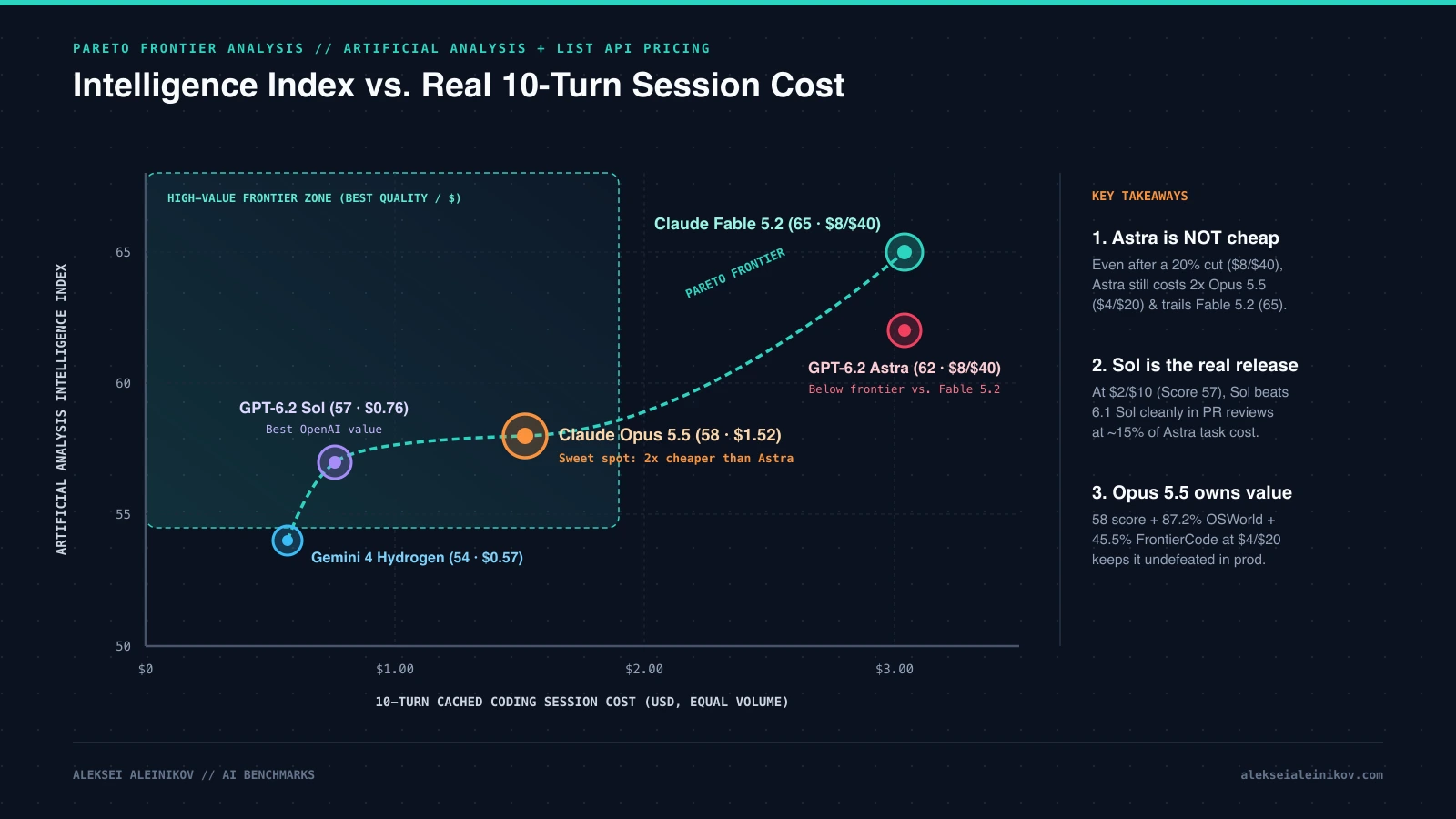
On paper, OpenAI tuned GPT-6.2 for cost-per-task and multi-step agentic endurance. GPT-6.2 Astra reaches 62 on the Artificial Analysis Intelligence Index (+5.2 points over baseline GPT-6 Astra on Agents’ Last Exam), and it is the first public OpenAI model to hit a “High” rating for AI Self-Improvement under its Preparedness Framework. Meanwhile, GPT-6.2 Sol scores 57 at roughly 15% of Astra’s per-task cost.
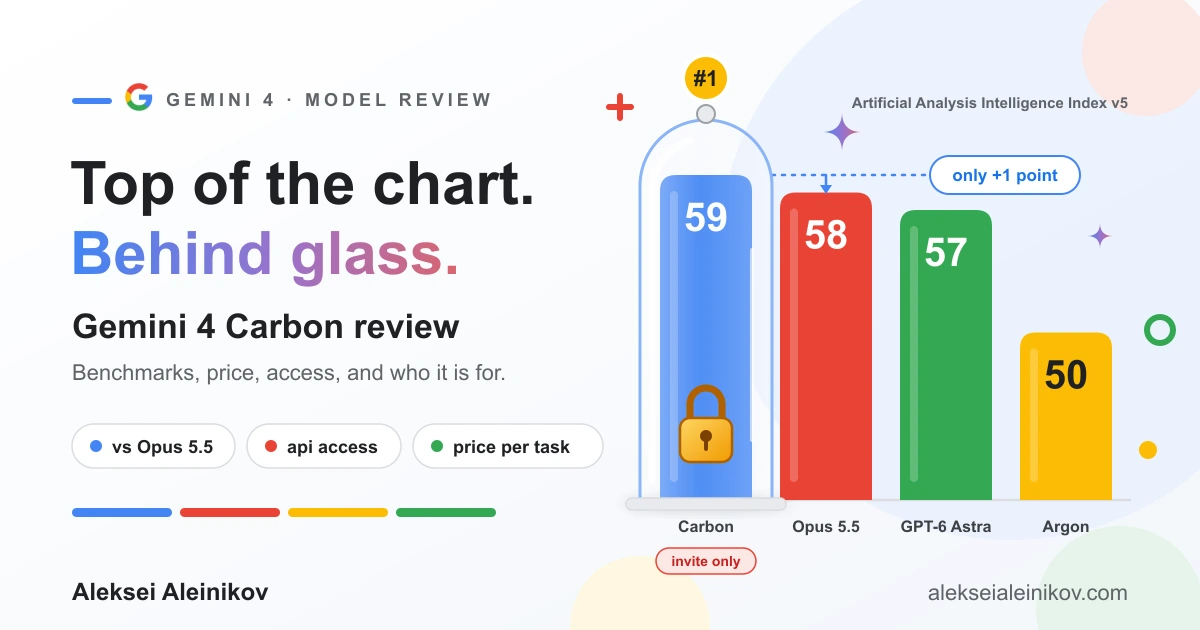
Yet once you place OpenAI’s new pair next to Claude Opus 5.5 ($4 / $20) and Anthropic’s heavy flagship Claude Fable 5.2 ($8 / $40), the “Opus killer” narrative falls apart fast:
| Benchmark / Metric | GPT-6.2 Sol | Claude Opus 5.5 | GPT-6.2 Astra | Claude Fable 5.2 |
|---|---|---|---|---|
| API Price (In / Out / Cache) | $2 / $10 / $0.10 |
$4 / $20 / $0.20 |
$8 / $40 / $0.40 |
$8 / $40 / — |
| 10-Turn Equal-Token Cost | $0.76 |
$1.52 |
$3.04 (~$2.30 if -30% out) |
$3.04+ |
| Artificial Analysis Index | 57 |
58 |
62 |
65 |
| FrontierCode 2.0 (Coding) | — | 45.5% |
42.8% |
49.1% |
| OSWorld 2.1 (Computer Use) | — | 87.2% |
79.5% |
89.3% |
| FrontierSWE v2 (SWE) | — | 62.3% |
65.5% |
69.9% |
| Terminal-Bench / Science | — | 58.7% |
68.1% |
74.6% |
Two brutal facts jump straight out of those numbers:
- Astra (
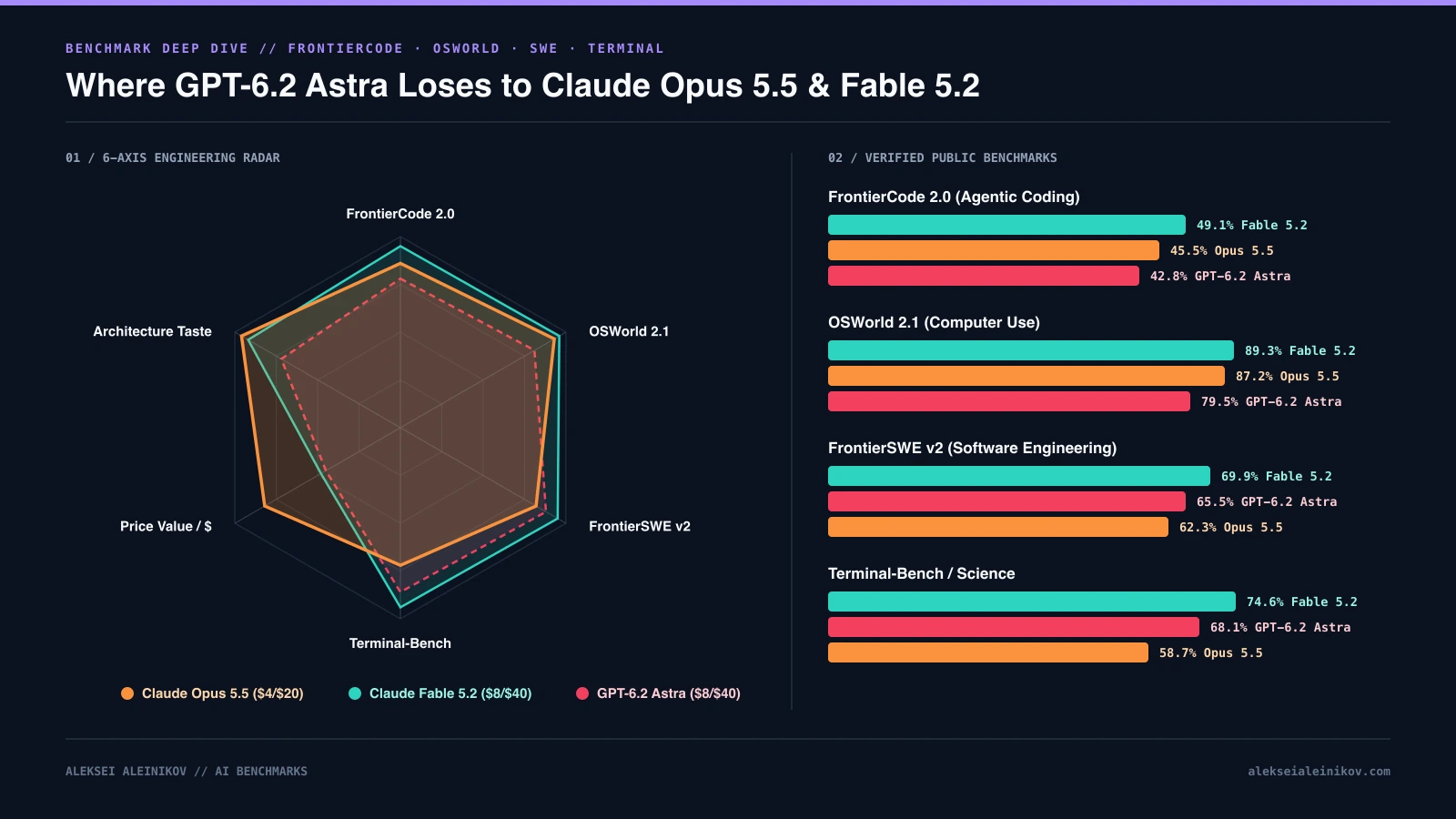
$8 / $40) is 2× more expensive per token than Opus 5.5 ($4 / $20) — and still loses to Opus 5.5 onFrontierCode 2.0(42.8%vs.45.5%) andOSWorld 2.1(79.5%vs.87.2%). Even on cached input reads ($0.40vs.$0.20per 1M tokens), Opus 5.5 is half the cost across long 80K-token coding sessions. - At the exact same
$8 / $40tier,Claude Fable 5.2beatsGPT-6.2 Astraacross every major evaluation (65vs.62Intelligence Index,49.1%vs.42.8%FrontierCode,69.9%vs.65.5%FrontierSWE,89.3%vs.79.5%OSWorld,74.6%vs.68.1%Terminal-Bench) while offering a 1M context window and 128K output buffer.
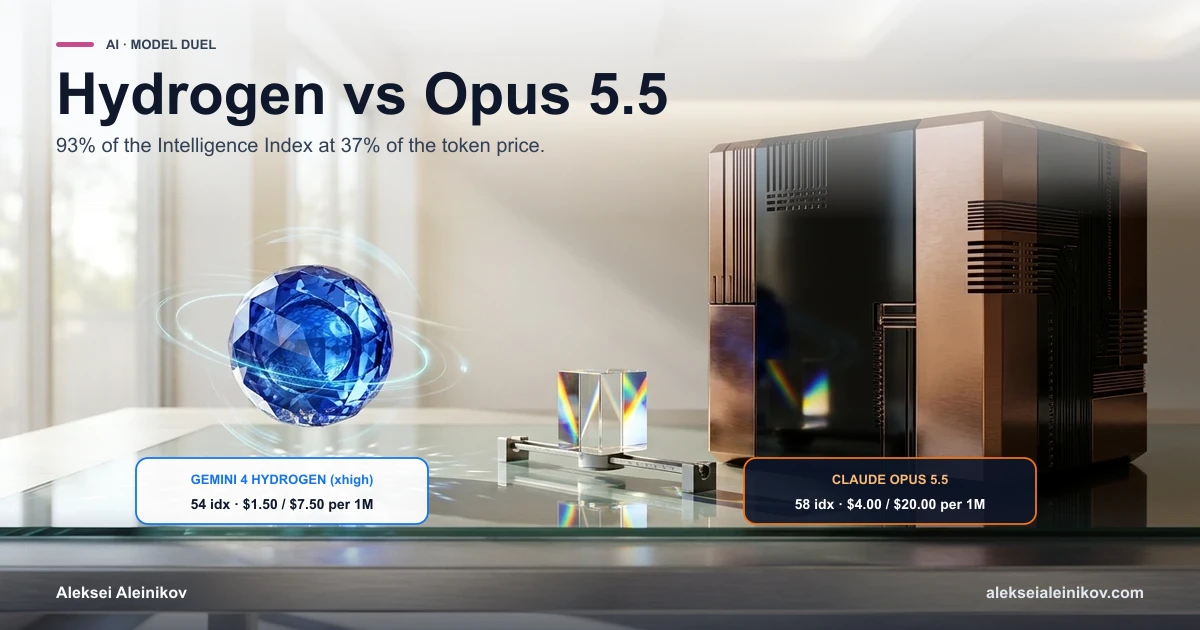
And it is not just a two-vendor race anymore: Gemini 4 Hydrogen ($1.50 / $7.50) still beats GPT-6.2 Sol on raw session cost ($0.57 vs. $0.76), while recent drops like Qwen4-Max and Hy4 Flash (using a LatentMoE + Engram architecture with ~12B active parameters) keep driving down the price floor for fast multimodal and open-ecosystem workloads. See our deeper breakdowns on Gemini 4 Hydrogen vs. Claude Opus 5.5 and Claude Fable 5.2 & Mythos 5.2.
2. What Engineers Actually Notice in Production
Strip away launch-day slides and look at consistent real-world developer feedback from teams testing GPT-6.2 in daily coding harnesses:
Where GPT-6.2 genuinely improves
- Noticeably leaner token burn: API users confirm that Astra and Sol finish multi-step data and refactoring loops with fewer redundant tool calls and less verbose output padding.
GPT-6.2 Solshines at automated PR reviews: Engineers comparingSol 6.2against6.1 Solconsistently report it catches far more real edge-case bugs in diffs (though it can occasionally act overly pedantic on minor style nits).- Tighter instruction adherence: When given crisp, unambiguous specs, Astra freelances less and stops inventing unrequested boilerplate.
Where friction remains
- Architectural rabbit holes: Critics still echo the familiar Codex pattern — strong execution on clear tasks, but prone to over-complicating or stubbornly defending a flawed assumption on messy multi-service architecture.
- Latency & opaque reasoning: At full reasoning effort, Astra runs around 60 tok/s and takes roughly 11.5 minutes (
~$4.00) on a full Intelligence Index task. Without Ultrafast Mode or visible thought traces, debugging why an agent stalled mid-loop feels frustratingly opaque. - Workspace caps vs. API cuts: Paying subscribers point out that cheaper API token rates have not stopped weekly workspace usage caps from filling up quickly during heavy coding sprints.
3. My Honest Opinion: Why Claude Opus 5.5 Still Wins
Benchmarks test isolated puzzles under clean prompts. Real production engineering is almost never clean.
In my own hands-on coding and architecture tasks, I still prefer Claude Opus 5.5 over GPT-6.2 Astra & Sol for three practical reasons:
- Superior engineering restraint: Opus 5.5 knows when not to over-engineer. It is far less likely to introduce three unnecessary abstraction layers when a clean 20-line change solves the root issue.
- Fewer wasted recovery prompts: A
$0.76session is not cheap if you spend three extra turns pulling the agent out of a bad architectural assumption. - Unbeatable value at
$4 / $20: Paying half of Astra’s token rate (and half of Astra’s cache-read rate) for strongerFrontierCode 2.0, strongerOSWorld 2.1, and calmer architectural judgment makesOpus 5.5the easiest recommendation in my stack.
4. The Cleanest Multi-Model Setup Right Now
You do not need single-vendor loyalty. If you want the strongest Claude Opus alternatives for specialized lanes without giving up Opus where it counts:
- Keep
Claude Opus 5.5($4 / $20) as your lead architect for ambiguous system design, security boundaries, and 3am production debugging. - Route
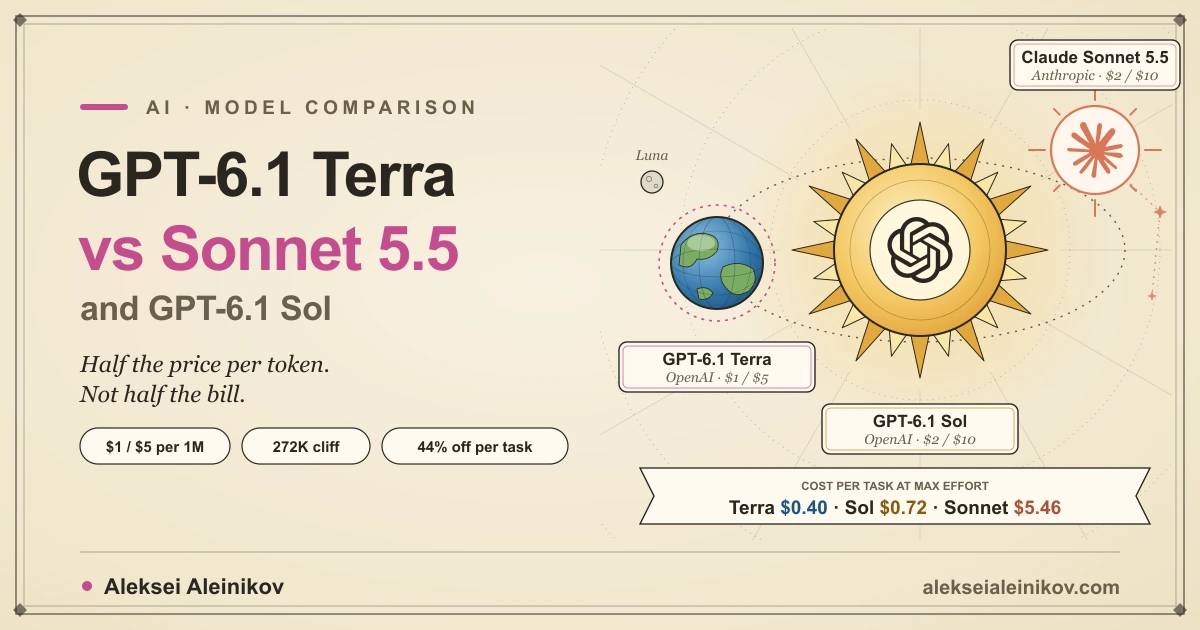
GPT-6.2 Sol($2 / $10) to automated PR reviews and fast daily coding loops where bug-catching per dollar shines. - Route
Gemini 4 Hydrogen($1.50 / $7.50) to 1M-context repo scans, CI log triage, and high-volume subagent execution.
Until OpenAI matches Opus’s architectural restraint and brings Astra’s $8 / $40 pricing down to $4 / $20, Opus 5.5 isn’t dead — it just got a fast, affordable sparring partner in Sol.