
Cloud
GKE Gateway API vs Ingress 2026: When to Stop Using nginx
GKE Gateway API vs Ingress in 2026: the role-oriented model, the four GatewayClasses, the proxy-only subnet regional clusters need, and when to drop self-hosted nginx.
GKE Gateway API vs Ingress in 2026: the role-oriented model, the four GatewayClasses, the proxy-only subnet regional clusters need, and when to drop self-hosted nginx.
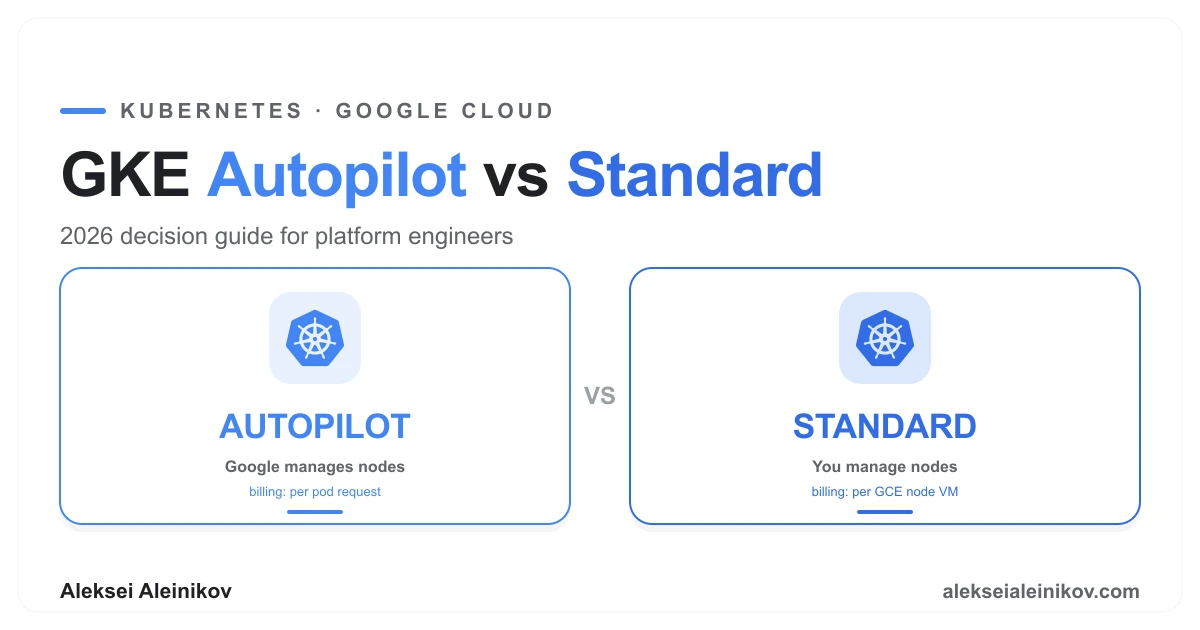
The real trade-offs between GKE Autopilot and Standard mode in 2026: node ownership, billing models, what Autopilot still cannot do, and a practical decision guide for platform engineers.
A vendor-neutral comparison of the three AI coding agents that matter in 2026 — Claude Code, Codex, and opencode: how the agent loop works, where each one fits, a decision table, and how to run them without handing over the keys.
A practical 2026 guide to Cloud Bigtable: what wide-column storage actually is, how Bigtable works under the hood, when it beats BigQuery, Spanner, Cassandra and DynamoDB, and the one thing — row-key design — that makes or breaks it.

A vendor-neutral system-design walkthrough of the message-queue architecture that sends a million notifications without taking your API down: fan-out workers, back-pressure, retries, and dead-letter queues.
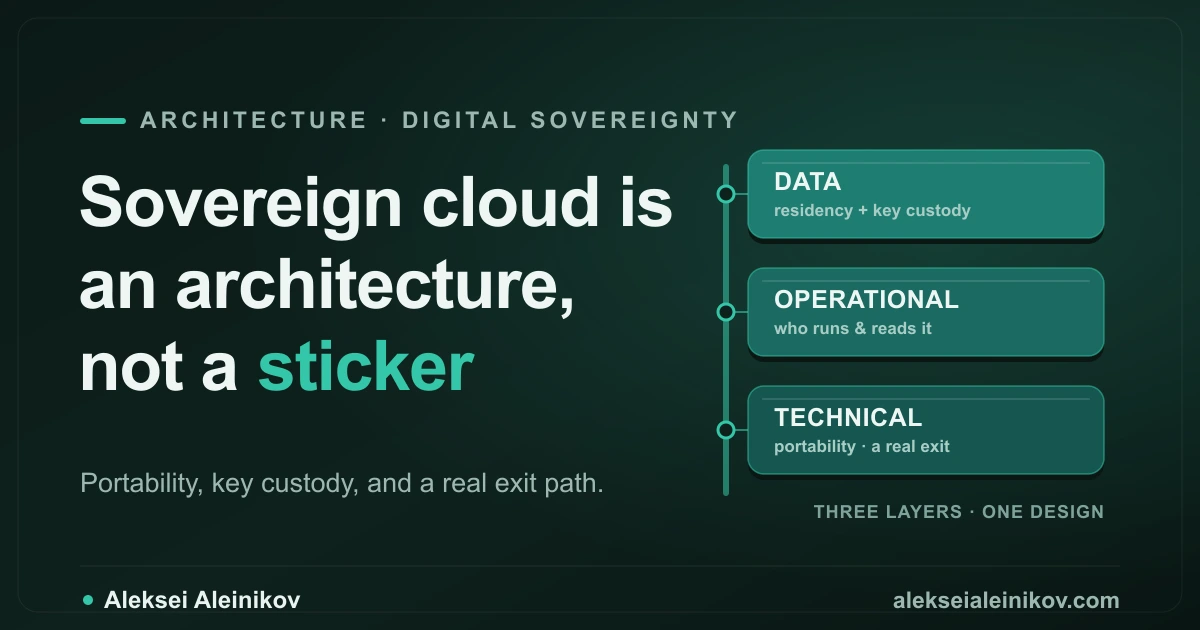
A practical 2026 architecture for digital sovereignty: treat sovereign cloud as three layers — data, operational, technical — and use Kubernetes, external key custody, and a real exit path to make sovereignty a design property instead of a marketing sticker.

A hands-on 2026 guide to Podman: why daemonless and rootless containers are safer, how user-namespace UID mapping works, and how Quadlet lets systemd run your containers instead of a background daemon.
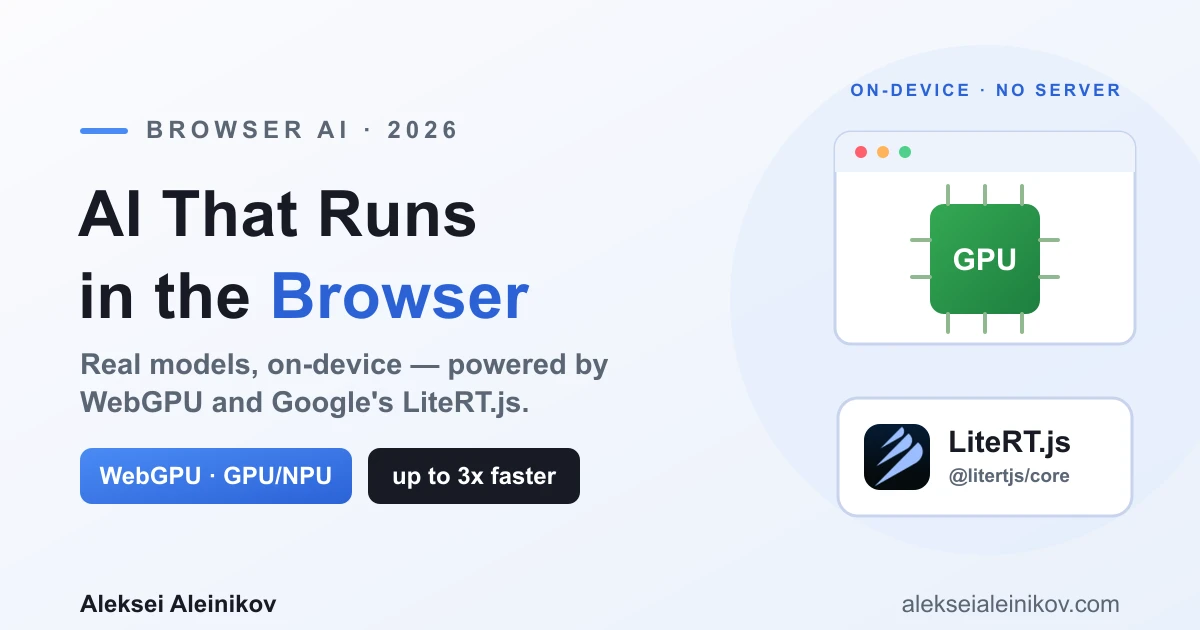
Running AI models directly in the browser is finally fast enough to be real. A practical 2026 guide to on-device inference with WebGPU and Google's new LiteRT.js runtime — what changed, how it works, and when to reach for it.
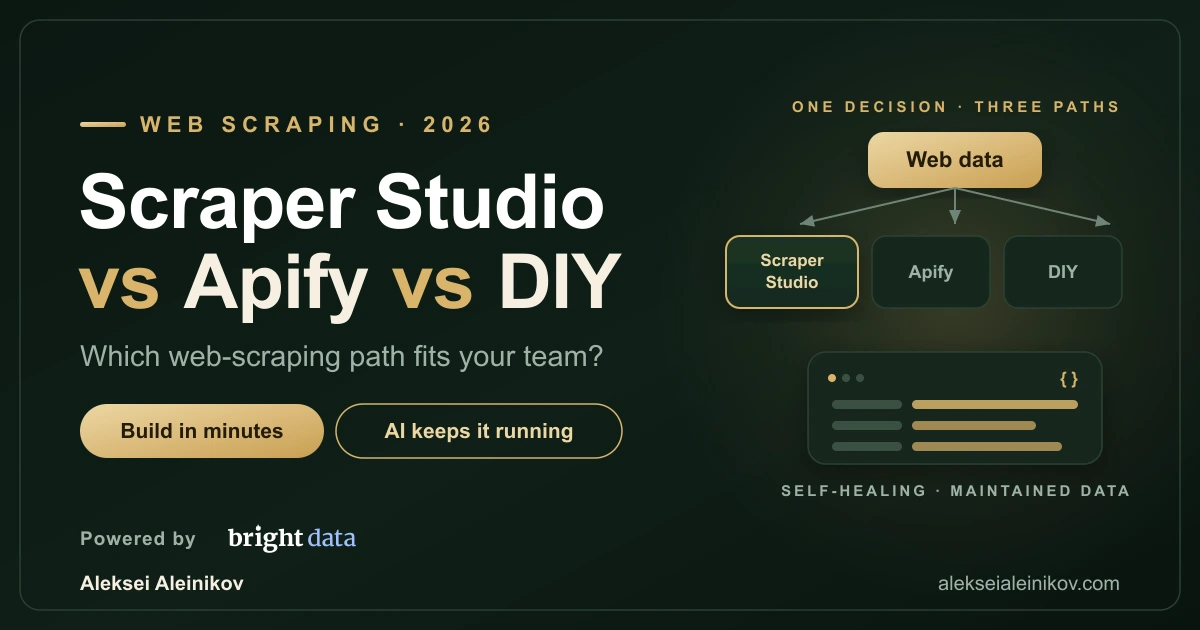
Three ways to build a web scraper in 2026: a managed platform like Scraper Studio, an actor marketplace like Apify, or a DIY Scrapy + Playwright stack. Here is how they really compare on speed, ownership, and the part that actually costs you — maintenance.
You can code — in 2026 that's table stakes, not the edge. The skill of the year is the cloud. Why every developer should master it, and why Google Cloud is the smart place to start.
A practical, no-marketing comparison of BigQuery and Snowflake in 2026 — how their architecture, billing, performance and AI stories really differ, and how to choose the right one for your workload.
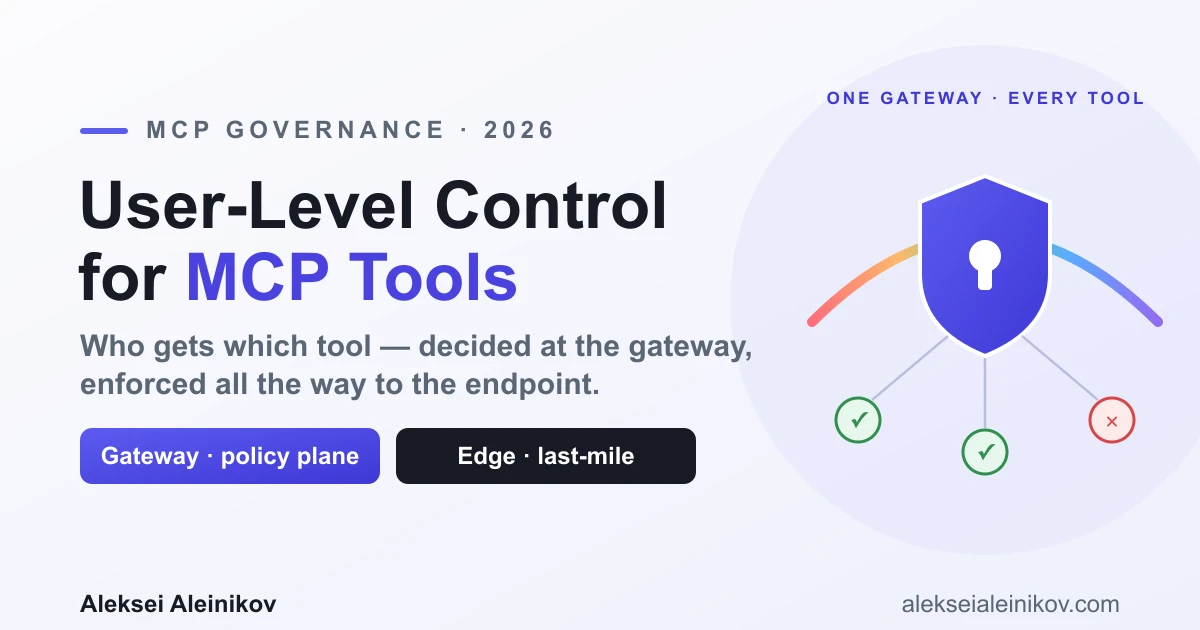
MCP gives your AI agents real power — reading files, calling APIs, moving money. But who decides which user or agent can reach which tool? Here is how an enterprise MCP gateway turns that question into a policy you can actually enforce, from the gateway down to every laptop.
A hands-on 2026 look at replacing ESLint and Prettier with Biome: what it is, the one-command migration, real benchmark numbers, what you actually lose, and an honest verdict on when to switch and when not to.
You do not need a six-figure platform to get Cloud Security Posture Management on GCP. Here is how to build CSPM two ways — the free built-in Security Command Center and a DIY open-source stack — and when each one wins.
A practical secure-by-default GKE reference architecture for 2026: defense in depth across identity, network, supply chain, admission, runtime, and observability — with Workload Identity Federation and Binary Authorization at the core.