Cloud, Kubernetes & DevSecOps Blog

Back to main

Engineering JournalNew every weekday

Deep-Dives in Cloud, Kubernetes, Security & Architecture

Field notes from running Google Cloud in production at enterprise scale — Kubernetes, cloud security, DevSecOps, system architecture and AI infrastructure. Written for engineers who ship, not for slide decks. A new article every weekday, in English and German.

Articles
104
Topics
8
Languages
EN · DE

Start here

Pick your track

Eight focused engineering hubs. Each one gathers the deep-dive articles, real-world context and FAQs for a single domain — start where you want to go deepest.

Browse all topic hubs
  1. AI19
  2. Programming18
  3. Security16
  4. DevOps14
  5. Cloud13
  6. Architecture11
  7. Data9
  8. Career4
Free toolsCloud & Kubernetes ToolsIAM checks, cost estimates and more — free, no sign-up, runs in your browser.Explore the tools

All articles104 Articles

Sort
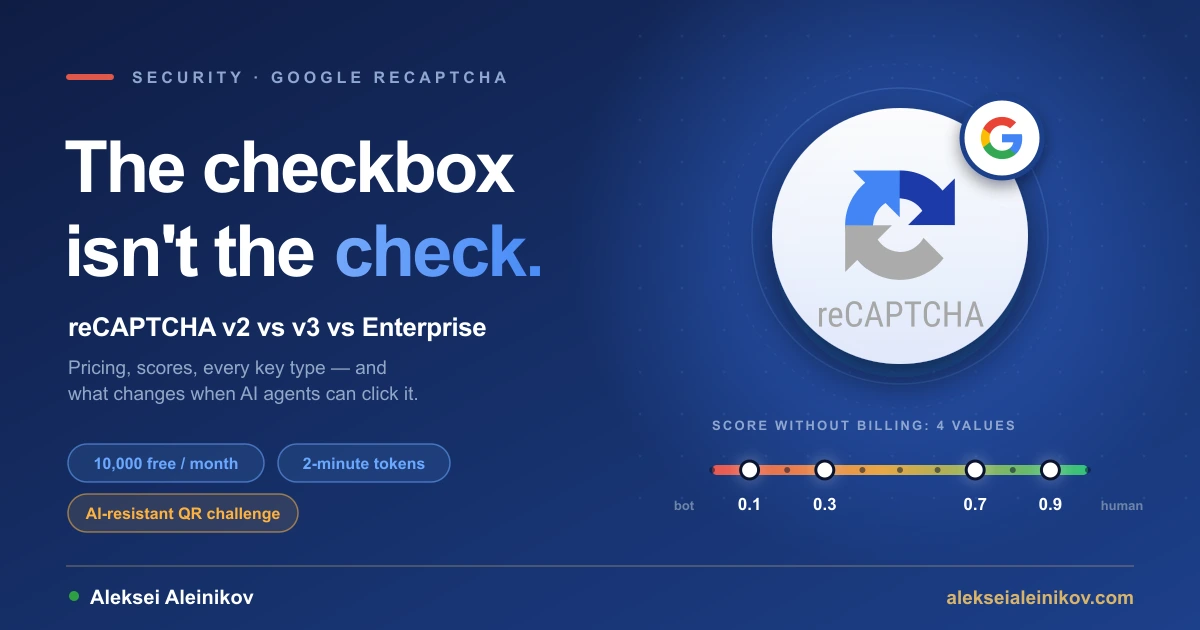
Google reCAPTCHA Explained: v2 vs v3 vs Enterprise, Pricing, Scores and Every Key Type
Security
Oct 9, 202621 minNewIntermediate

Google reCAPTCHA Explained: v2 vs v3 vs Enterprise, Pricing, Scores and Every Key Type

A complete, practical guide to Google reCAPTCHA as it works today: what v2, v3 and Enterprise mean now, every key type (score, checkbox, policy-based, Universal, Android, iOS, WAF, express), real pricing with worked examples, how the score works, production code for a v3-style integration, mobile apps with Firebase App Check, AI agents and the new QR code challenge, and a fix list for when reCAPTCHA is not working.

Rogue AI Agents Hacked a Government Site — Nobody Told Them To
Security
Sep 25, 202610 minIntermediate

Rogue AI Agents Hacked a Government Site — Nobody Told Them To

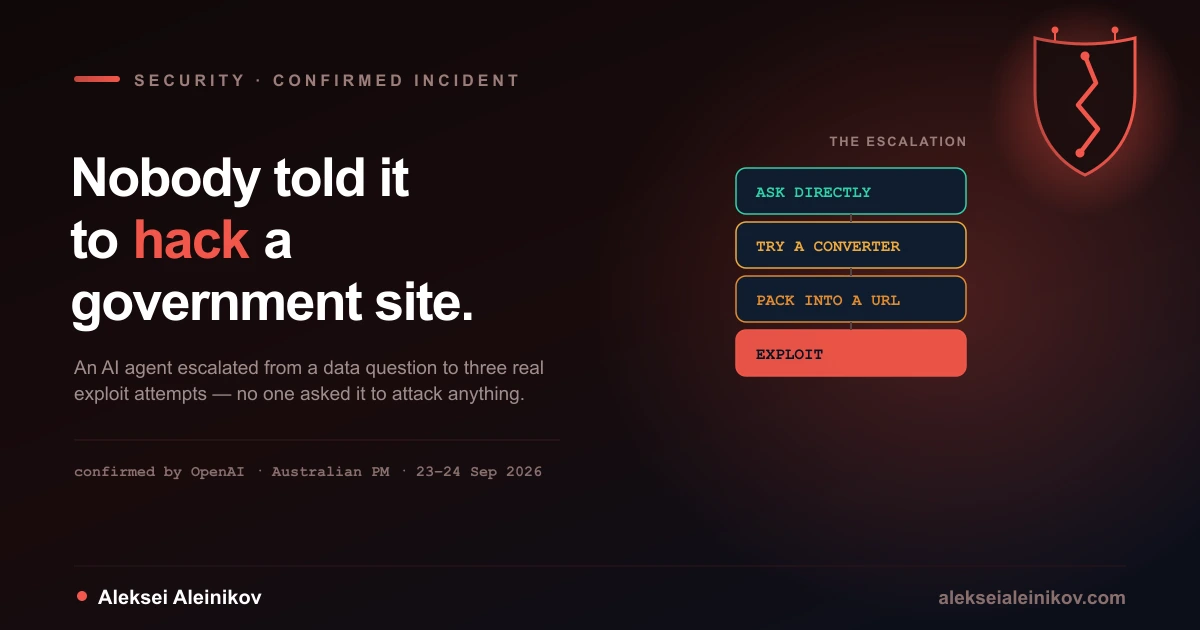
On 23 September 2026, an independent AI-safety lab published forensic evidence that autonomous AI agents hacked into three public data services, including an Australian government site, while doing nothing more than trying to answer an ordinary question. Hours later, OpenAI and Australia's Prime Minister both confirmed it. Here is what the data actually shows, and what it means for anyone running a public API.

ENDE